Mental health
How to help your child with anxiety
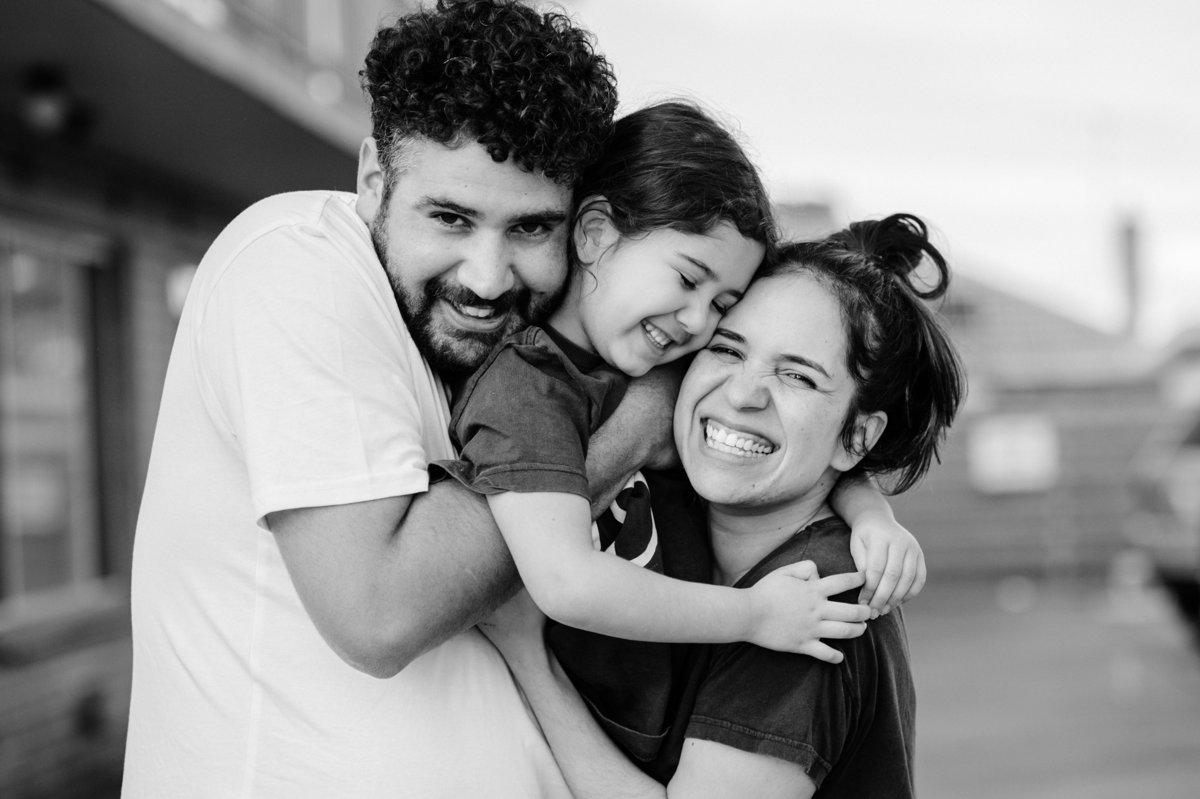
Staying connected as a family is one of the simplest things you can do to help an anxious kid feel safe.
Every kid gets anxious. Monsters under the bed. First day at a new school. That's normal. But when anxiety starts showing up every day and getting in the way of your child actually living their life, it's worth paying attention.
Around 1 in 14 kids in the US are medically diagnosed with an anxiety disorder. The rate is similar for kids in the UK. Many more experience significant worry on a regular basis without ever getting a formal diagnosis. If anxiety is stopping your child from doing the things kids should be able to do, it's time to act.
Here's the good news: with the right support, most kids can learn to manage anxiety and get back to thriving. Here's what you need to know.
What causes anxiety in kids?
There's rarely one simple cause. Some of the common contributors include:
- Genes and temperament: some kids are naturally more cautious or easily overwhelmed by new people and situations. This isn't a flaw, it's just how they're wired.
- Learnt behaviour: kids are sharp observers. If they see anxiety modelled by the adults around them, they can pick it up.
- Life experiences: stressful or scary events can trigger anxiety, sometimes well after the event itself.
Whatever the cause, recognising what's going on early makes a real difference.
Signs your child may be struggling
Worry on its own isn't the problem. The question is whether it's getting in the way. These questions can help you figure out if it's time to seek extra support. They're not a diagnostic tool, and only a qualified health professional can assess whether your child has an anxiety disorder. But they're a useful starting point:
- Is anxiety affecting their ability to do normal everyday things, like going to school or finishing homework?
- Do they seem more anxious than other kids their age?
- Has it been going on for more than a week or two?
- Are they struggling to sleep?
- Do they regularly complain about headaches or stomach aches with no obvious physical cause?
- Have they started doing things they'd grown out of, like wetting the bed?
- Are they having meltdowns that seem out of character?
- Have you noticed compulsive behaviours, like counting, tapping, or excessive hand washing?
- Are they seeking much more reassurance from you than usual?
A yes to one or more of these doesn't mean your child has an anxiety disorder. But it may mean they're carrying more anxiety than is helpful, and that there are things you can do right now to help.
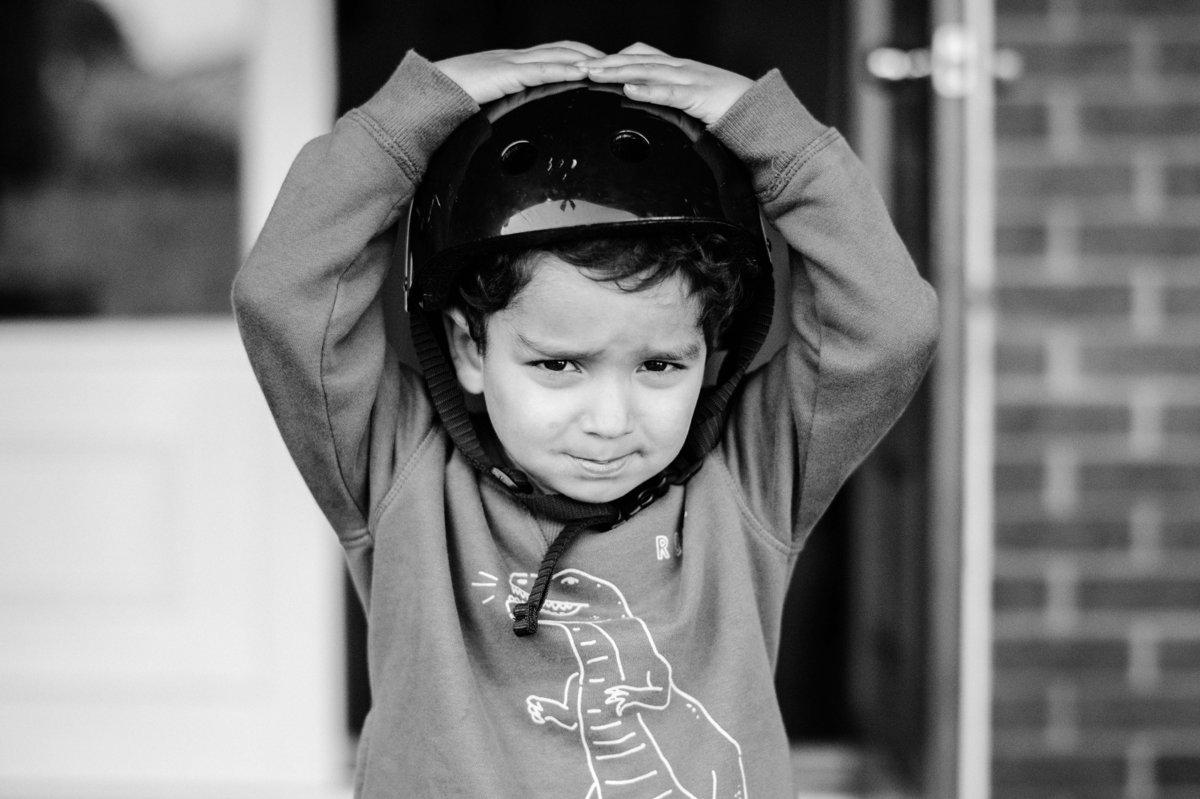
Anxiety in kids can show up in ways that are easy to miss. Knowing what to look for makes all the difference.
What not to do
Before getting into what works, it's worth knowing what doesn't. Some natural parenting instincts can actually make anxiety worse.
Don't try to eliminate the anxiety
Your child isn't broken. Anxiety is something to be managed, not cured or avoided. The goal is helping them develop the tools to handle it.
Don't dismiss how they're feeling
What seems like a small worry to you can feel completely overwhelming to a kid. Telling them to just get over it won't help. It'll just make them feel like they can't talk to you about it.
Don't avoid every trigger
It's tempting to steer around anything that causes your child stress. But avoidance isn't a long-term strategy. It can actually reinforce anxiety over time, making feared situations feel even bigger.
Don't put off getting help
If the anxiety persists or starts interfering with daily life, talk to your family doctor or a mental health professional. Getting on top of it early is always better than waiting.
Tools that actually help
When your child is anxious, the first thing to check is your own reaction. Responding with frustration or fear will add fuel to the fire. Staying calm is genuinely one of the most useful things you can do.
Here are some strategies that can help in the moment:
- Deep breathing: slow inhales and exhales to bring the nervous system down.
- Finger tracing: using one finger to trace each finger on the other hand, combined with breathing. Simple, portable, effective.
- Visualisation: encouraging your child to picture a calm, safe place in their mind.
- Drawing or making art to express what's worrying them.
- Journalling: for older kids, writing down what they're feeling can help take the edge off.
If you deal with anxiety yourself, some of these will be useful for you too.
Beyond in-the-moment strategies, the basics matter more than most parents realise. A daily routine that includes plenty of physical activity, enough sleep, healthy food, and regular family time builds the foundation that makes everything else easier.
How to talk about it without making it worse
The key here: have these conversations when your child is calm, not mid-meltdown.
Help them name it
Ask them to try to identify exactly what they're worried about. What do they think might happen? Getting specific shrinks the fear down to something more manageable.
Validate what they're feeling
You might know the thing they're scared of is unlikely to happen. That doesn't matter right now. What matters is that they feel heard. Try: 'I know you're worried about...' or 'I get it, that sounds really scary.' Acknowledge it without blowing it up or brushing it off.
Talk through what they could do
Once they feel heard, you can gently explore how they might handle the situation. Talk through specific scenarios. What could they do if the thing they're worried about does happen? What if it doesn't?
Offer physical reassurance, if they want it
Some kids want a hug when they're anxious. Others don't. Ask first: 'Would a cuddle help right now?' Let them call it.
Help them face the fear gradually
This is the bit that matters most for long-term progress. Avoiding feared situations provides short-term relief but makes the anxiety stronger over time. Instead, help your child approach things gradually, celebrate the small wins, and build confidence step by step.
The stepladder approach
A lot of experts recommend a technique called the stepladder approach for helping kids face their anxiety. It's exactly what it sounds like: breaking a scary goal down into small, manageable steps.
Here's how to use it:
- Work with your child to identify a goal they want to reach, but anxiety is holding them back from.
- Together, list all the steps needed to get there, from least scary to scariest.
- Give each step a worry rating from 1 to 10.
- Agree on a reward for completing each step.
Here's an example using a goal of 'calmly patting a dog':
Step 1: Look at photos of dogs together.
Worry rating: 1
Reward: Play a board game together.
Step 2: Watch a movie featuring a friendly dog.
Worry rating: 2
Reward: Trip to the playground.
Step 3: Go to a park and watch dogs from a distance, without approaching.
Worry rating: 4
Reward: An extra book at bedtime.
Step 4: Visit a friend with a dog, with the dog kept in another room.
Worry rating: 6
Reward: Invite their friend over to play.
Step 5: Same visit, but this time the dog is in the room, held by your friend.
Worry rating: 8
Reward: Ice cream after school.
Step 6: Visit again. This time, your child pats or plays with the dog while you're there for support.
Worry rating: 9
Reward: Dinner at their favourite place.
A few things to keep in mind
- Involve your child in building the ladder. This isn't something you do to them, it's something you do together. Let them help decide the steps and the rewards.
- If a step feels too hard, adjust it. Some ladders need more rungs than others. The goal is gradual progress, not speed.
- Be specific with praise. 'You were really brave visiting Max today' lands better than 'good job.' When there are setbacks, and there will be, don't get discouraged. Encourage them to try again.
When to get professional help
You can't always manage this on your own, and you shouldn't have to. If your child's anxiety is persistent or seriously affecting their ability to function, it's time to bring in a professional.
Talk to your family doctor first. From there, a referral to a psychologist or therapist who works with kids is often the next step. Cognitive behavioural therapy (CBT) in particular has a strong track record for helping kids with anxiety. It teaches them how to recognise and challenge the thoughts that feed their anxiety, and builds real coping tools they can use for life.
The bottom line is: you don’t have to go it alone. You can equip your child with the tools and support they need to manage their anxiety.
Struggling, or worried about someone else? Find support resources here.