Mental health
Talking to your kids about depression
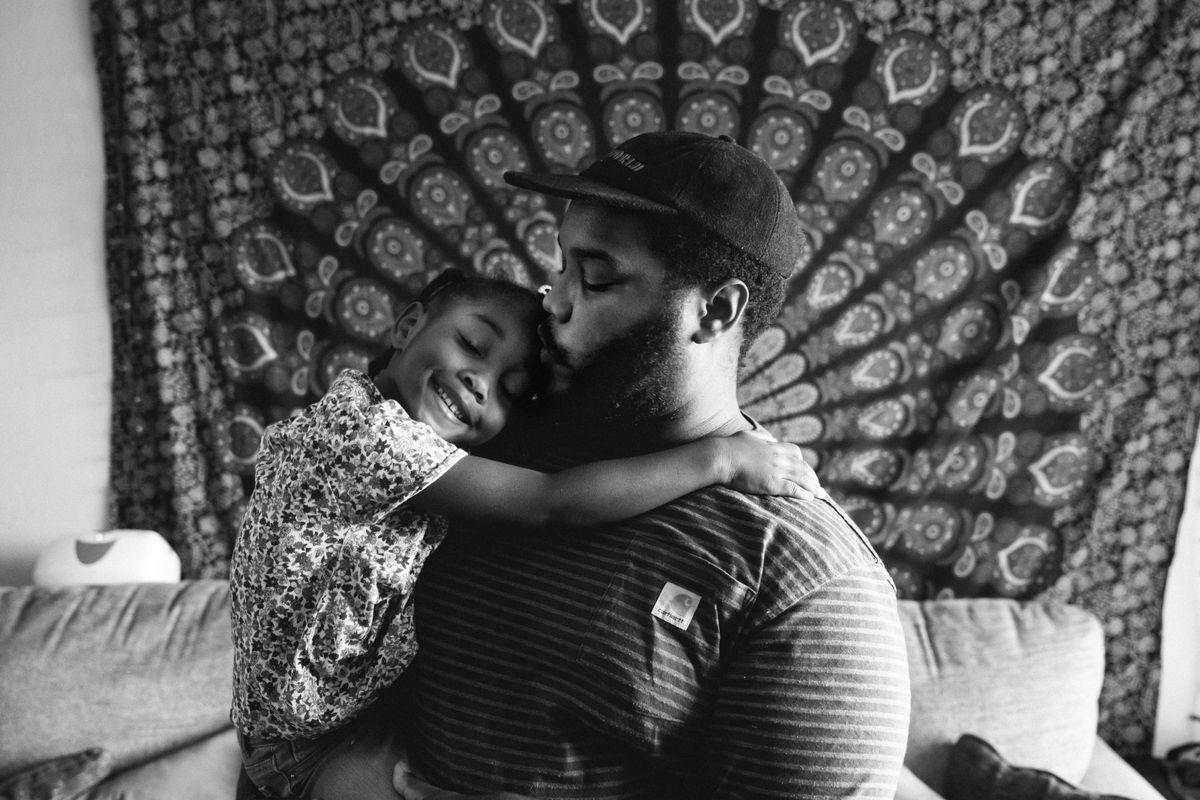
Talking openly with your kid about depression starts with letting them know you've got their back.
No parent wants to think their kid could be struggling with depression. You want them happy, carefree, full of life. But here’s the reality: children can be diagnosed with a depressive disorder as young as three years old.
The good news? There’s something concrete you can do. Talk openly with your child about depression. Even before you think it’s ‘necessary’. This gives them the foundations to recognise it, name it, and reach out when they need help. This article walks you through why it matters, how to do it at every age, and what to do if your child tells you they’re struggling.
What depression actually is (and what it isn’t)
Depression or major depressive disorder (MDD), is a diagnosable mental health condition that affects how a child thinks, feels and behaves. It’s not the same as having a rough week or feeling sad after something disappointing. With depression, symptoms show up almost every day and hang around for two weeks or more.
That distinction matters. Because once you understand what you’re actually looking for, it’s a lot easier to spot.
Signs of depression in children and teens
Kids of almost any age can experience low mood or depression, though it’s more common in older children and teenagers. Here’s what to look for:
- Feeling sad, empty or hopeless on most days
- More irritable or easily upset than usual
- Pulling away from friends or activities they used to enjoy
- Noticeable changes in weight or appetite
- Trouble sleeping – or sleeping much more than normal
- Seeming unusually flat, tired or restless
- Expressing feelings of worthlessness or guilt
- Difficulty thinking clearly or concentrating
- Thoughts of death or suicide
- Thoughts about, or acts of, self-harm

Regular check-ins don't need to be big conversations – sometimes the best ones happen on the go.
Why it’s worth talking about it – even now
Depression among kids and teens is on the rise. 1 in 5. That's how many children and adolescents worldwide experience depression or depressive symptoms. It's more common than most people think.
Most parents hesitate to bring it up. Maybe they’re worried talking about depression will make things worse, or they just don’t know where to start. But here’s the thing: it won’t. In fact, open and honest conversations are one of the most protective things you can do. Depression responds well to early treatment. The sooner you can identify it, the sooner your kid can get the support they need.
How to talk about it: an age-by-age guide
What you say and how you say it will depend on your child’s age and where they’re at developmentally. Every kid is different. But the core message stays the same: you’re there, you’re listening, and they’re not on their own.
Ages 3–7: Keep it simple
- Use language they can actually understand. Avoid clinical terms.
- Help them understand the difference between sadness and depression by using examples they can relate to. Ask them to think of a time they felt really sad – then explain that depression is like that feeling, except it doesn’t go away.
- There are great children’s books on mental health that you can read together. A simple story can open up a lot of conversation.
Ages 8–12: Start naming things
- Kids this age can handle more detail. Start using accurate terms like ‘depression’ – it helps take the mystery (and the stigma) out of it.
- They may worry that depression is their fault, or that admitting they’re struggling will get them in trouble. Be clear: depression is a health condition, like any other. It’s not a character flaw, and it’s nothing to be ashamed of.
- Remind them that getting help is a sign of strength, not weakness.
Teenagers: Check in often
- Teenagers are four times more likely to experience depression than younger kids. Regular check-ins matter. And so does making sure they feel safe actually talking to you.
- Keep reinforcing that depression is common, manageable, and treatable. People live happy, full lives with the right support.
- Go through the warning signs together and ask directly if they’ve experienced any of them. Direct questions don’t plant ideas. They open doors.
What to do if your child says they’re struggling
First: don’t panic. It can be scary to hear, but the fact that your child is telling you is genuinely a good sign. It means they feel safe with you. Here’s how to show up for them.
Listen without jumping to fix things
The urge to solve the problem immediately is strong – but right now, your kid needs to feel heard more than they need answers. Ask open-ended questions: ‘What are the times you feel most hopeless?’ or ‘What used to feel easy that’s harder now?’ Let them find the words.
Take it seriously
Don’t dismiss what they share. Any warning sign, spoken or not, deserves to be taken seriously. Depression isn’t them being dramatic or difficult. It’s a health issue.
Make clear it’s not their fault
Depression is never someone’s fault. Your child hasn’t done anything wrong. What they need right now is your support, not judgment.
Avoid the impulse to “fix” it
The parental urge to rush to solutions is strong. Don’t forget, your child craves your empathy and support a lot more than they need solutions or advice.
Remind them they’re not alone.
Lots of people kids and adults alike experience depression. And there are real treatments, including therapy and medication, that help people feel better. You don’t have to have all the answers. Just being there counts for a lot.
Spend time together
Quality time is one of the most effective forms of emotional support you can give. If it’s age-appropriate and relevant, sharing your own experiences with mental health can also help. It shows them that it’s something real that real people go through.
Gently encourage self-care
For older kids and teens, small lifestyle habits can help improve mood and energy. Don’t push too hard. Start small and build from there:
- Regular movement and time outside
- Getting enough sleep
- Eating well
- Sticking to a routine
- Journalling
- Staying connected with friends and family
Keep checking in
One conversation isn’t enough. Keep asking open-ended questions: ‘How can I help if I notice you’re having a tough day?’ or ‘Is it okay if I check in with you regularly?’ Let them know the door is always open – including if things get worse, or if they ever have thoughts of self-harm or suicide.
Getting professional support
If you’re concerned about your child, get them in front of a professional as soon as you can. A family doctor, paediatrician, school counsellor or mental health professional is a solid first step. There are also online programs and support lines in most countries that can help.
If you believe your child is in immediate danger, don’t wait. Take them to an emergency department or contact a crisis line now.
Australia
- Lifeline: 13 11 14
- Kids Helpline: 1800 55 1800
- Emergency: 000
United Kingdom
- National Suicide Prevention Helpline: 0800 689 5652
- Emergency: 999
Canada
- Talk Suicide: 833-456-4566 (or text 45645)
- Emergency: 911
United States
- Suicide & Crisis Lifeline: 988
- Emergency: 911
Depression can be scary, especially when it’s your kid. Remember: by talking openly with them about depression, its symptoms, signs and treatments, you’re letting them know they don’t have to struggle alone.
Struggling, or worried about someone else? Find support resources here.