Mental fitness
You're Already Coaching Mental Fitness. Here's How to Make It Count.
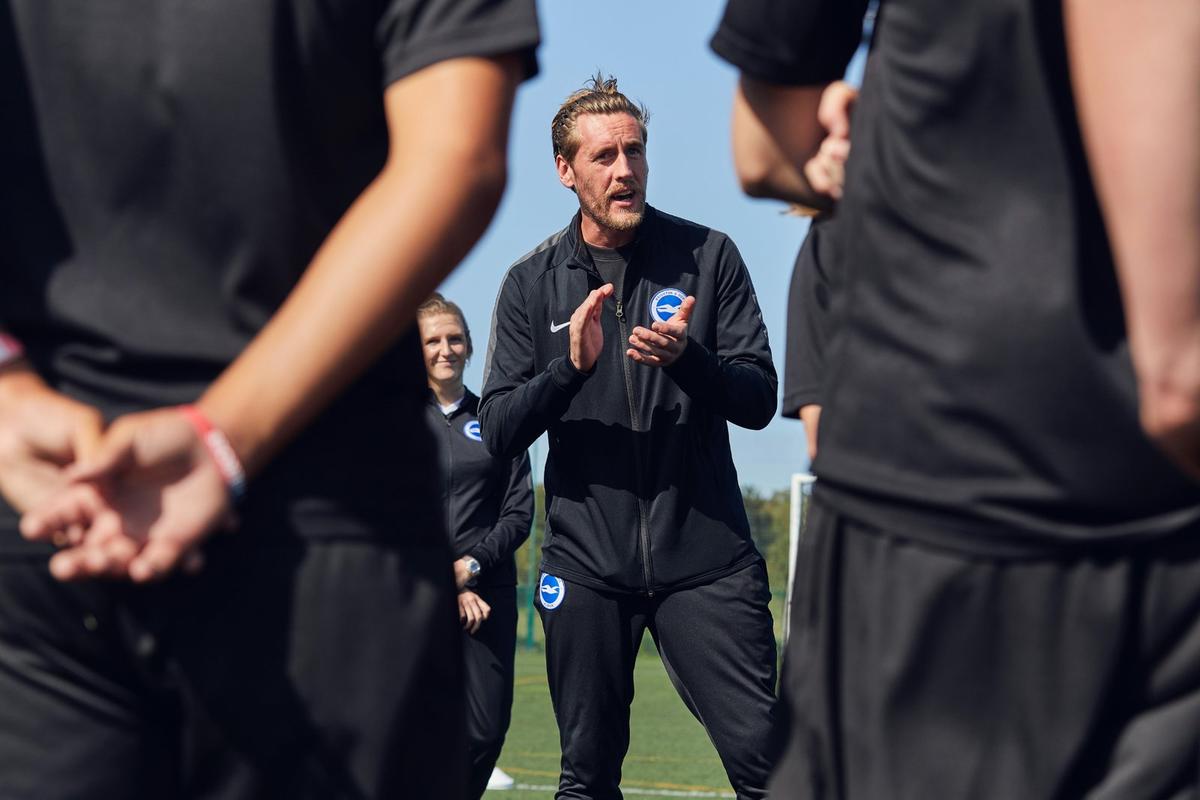
A coach talks to their players about more than just the game.
How to build a team environment where mental fitness isn't an afterthought. It's part of your game plan.
Coaches: You plan the sessions. You call it on game day. You keep fifteen young men pulling in the same direction. And somewhere in all of that, you look after their mental fitness too.
If that last one caught you off guard, think about it for a second. You're the one who notices when someone's gone quiet at training. When the player who's usually first in the door is suddenly can’t attend. When the energy's flat and you can't quite put your finger on why.
That's someone struggling with their mental health. And you're already in it.
Knowing a bit more about how it works gives you a better shot at supporting your players, on and off the field. Here's what we'll get into: what mental health actually means, how to make it a normal part of your team culture, how to build mental fitness into your sessions, and how to know when something's beyond your role.
What mental health actually is
Mental health is how well someone's coping with life. Socially, emotionally, all of it.
And just like physical health, it's always changing. At any point in time, a person's mental health sits somewhere on a sliding scale, or a ‘continuum’ – from doing it tough at one end to thriving at the other end. It shifts with life events, stress, what's going on around them. On game day, a win or a loss can shift it. Whatever a player's carrying in the door after a rough day at school or something going on at home, can also have an impact.
Once you see mental health that way, as something that moves rather than something you either have or don't, it changes how you think about supporting your players.
Make it normal
There's still a lot of baggage attached to the words “mental health,” especially among young men, and especially in sport where toughness has always been the currency. What do you do if a player in your team laughed at the idea of mental health training?
You keep going. Breaking that down takes time, and the biggest tool you have is repetition.
One of the best ways to make mental health normal is to build it into training as routine. Schedule regular check-ins where players can talk about how they're going. At first it might feel like you're getting nothing back. But over time, you'll likely be surprised by what your players are carrying, and how much lighter they feel once it's out.
Sharing your own experiences can be a genuine game changer. Talk about the mental health challenges you faced at their age. Two things happen: your players stop seeing you as someone who's never been a teenager. And second – you'll get questions that can kick off a completely organic conversation about how they're going, without anyone having to force it.
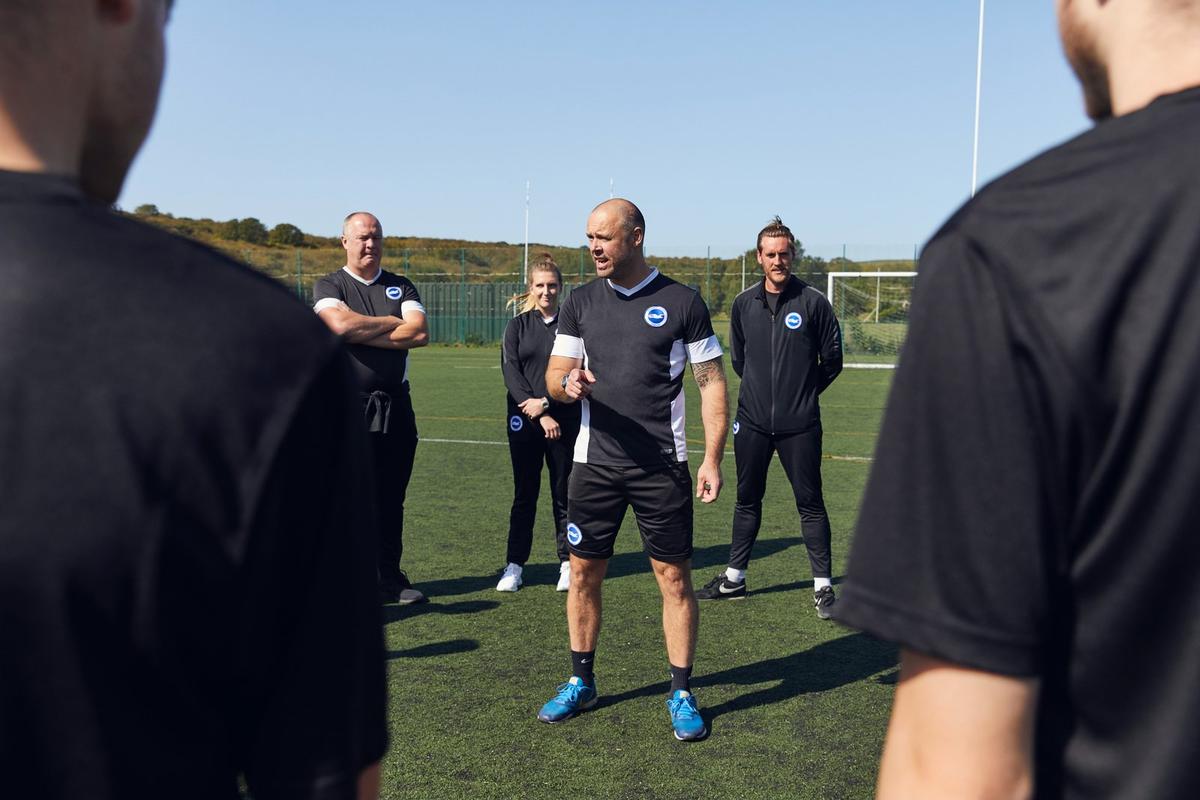
Build the kind of culture where it's okay to talk.
Build a culture of mental fitness
Young players respond to the idea of fitness. So use it.
Mental fitness is exactly what it sounds like: looking after and building up your mental health, the same way you'd look after your body. And just like physical fitness, it takes regular practice. It's not a one-off workshop. It's something you build into the rhythm of your team, the same way you'd build in drills or recovery.
What this looks like will depend on your team. But you could try things like:
- Giving a player a shout-out for having a crack at a breathing exercise or allowing them to share something real about a tough time they've had.
- Encouraging players to name a teammate's mental strengths, or their own. Knowing your strengths is a real part of building resilience.
- Talking about resilience as a skill you train, not a personality trait you either have or don't.
The framing matters. You're not asking your team to sit in a circle and share their feelings. You're treating mental fitness as a skill set. And like any skill set, it gets stronger when you work at it.
Know your role
Old advice, but it applies here too.
You can make a real difference to how your team is going mentally. But you're not a mental health professional, and it's never your job to diagnose.
Often the most important thing you can do is also the most straightforward: if you think someone in your team is struggling, encourage them to talk to a professional. A doctor, a counsellor, a psychologist. You don't need to have the answer. You just need to point them towards someone who does.
Put it into play
Understanding mental health, making it normal, building mental fitness into your team culture. None of it counts if it's inconsistent. Make it part of every training session and every game day, not a topic you bring up once and park.
Start simple: have a conversation with your team about what they think “mental health” actually means. You might be surprised by what comes back.
That conversation? That's your first rep. You know the drill from here. Keep going. Build up. Get stronger.
Struggling, or worried about someone else? Find support resources here.