
Prince Harry joins Movember in a call for new-father mental health screening
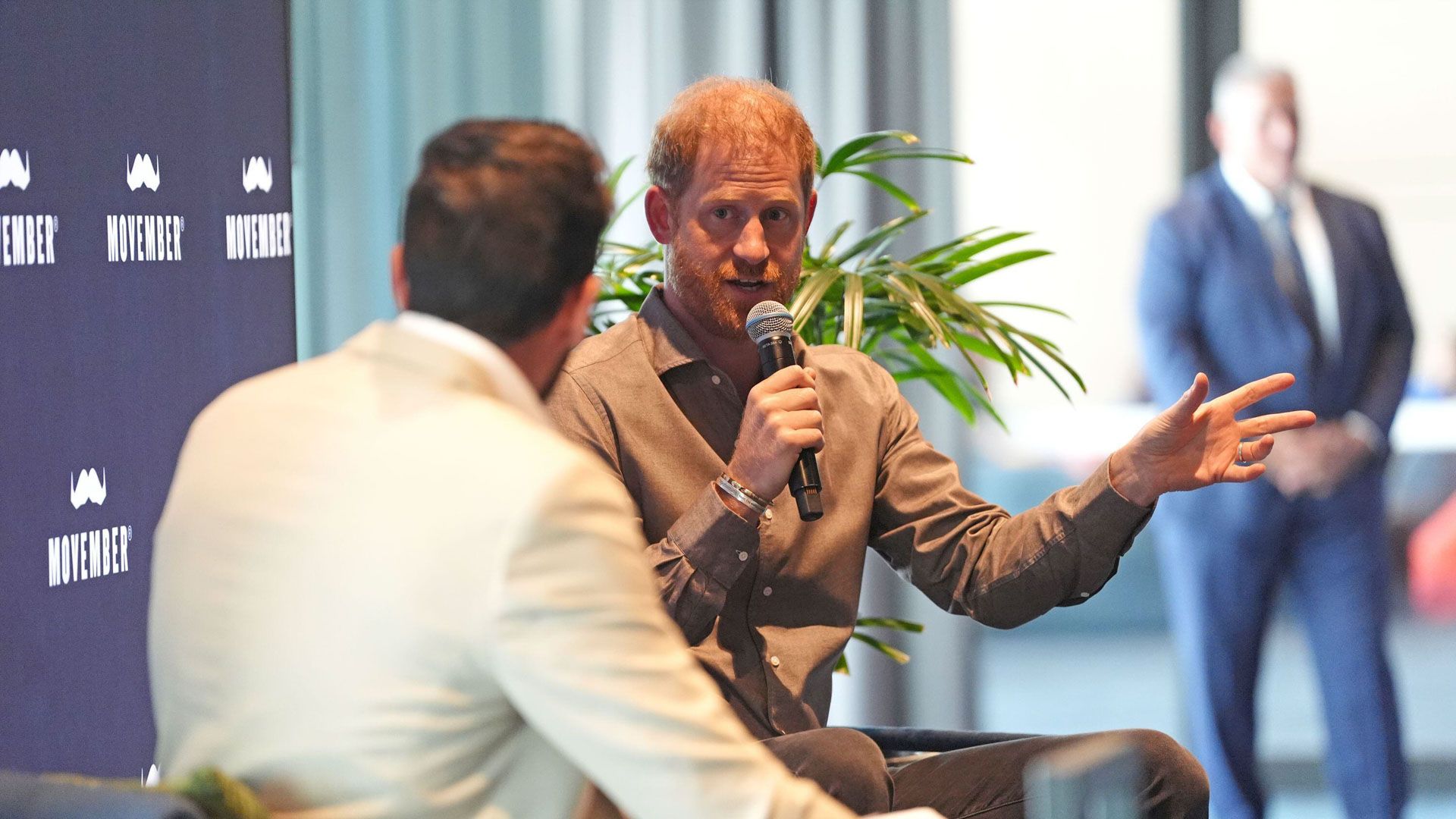
Prince Harry, Duke of Sussex, joined Dr. Zac Seidler, Movember’s Global Director of Research, at the Western Bulldogs’ Whitten Oval on Wednesday the 15th of April, to launch new research from the Movember Institute of Men’s Health.
The report, ‘More Than A Provider’, reveals the scale of unmet mental health support for Australian fathers and highlights the significant gap in how the healthcare system supports dads.
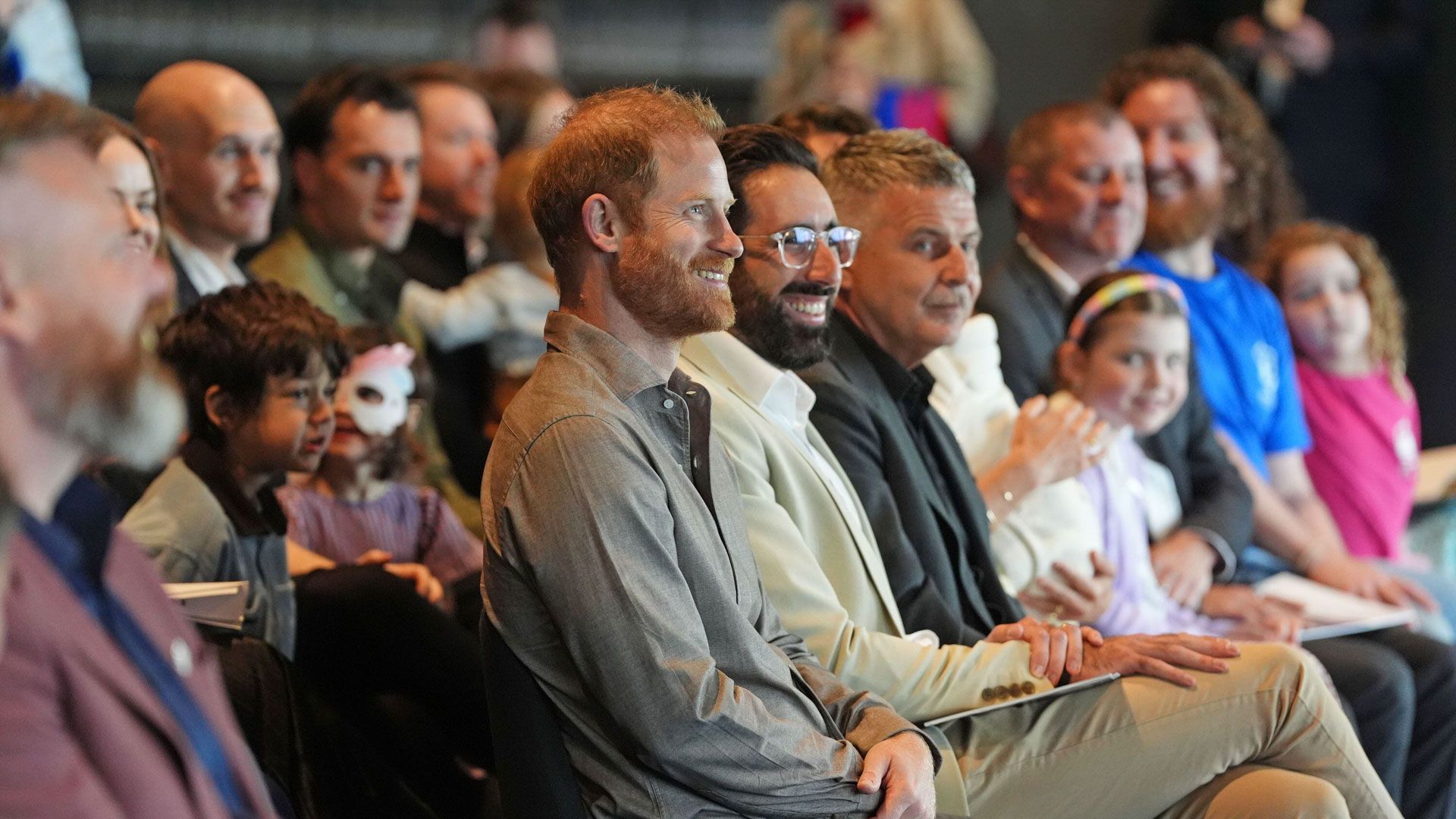
Men’s health experts joined forces at the event to call on the Australian government to introduce routine mental health screening for new fathers to help combat the significant, but often hidden, health toll. The event was supported by men’s health advocates including Dan Repacholi MP, players from the Bulldogs including Tom Liberatore, as well as fathers from local community groups and representatives from leading parenting and family organisations backing Movember’s call.
The report found that three in five new fathers were never asked about their mental health during their partner’s pregnancy or in the first year after birth. This comes amidst the reality that 1 in 4 fathers rated their physical or mental health as poor or fair in the first year of fatherhood and 1 in 5 reported feeling more isolated or lonely since becoming a father.
Global Director of Research at the Movember Institute Dr. Zac Seidler, who recently became a first-time father himself, said the findings reflect a missed opportunity at a time when men are seemingly most open to engaging with their health.
He said, “fatherhood is one of the few times when men are actively engaging with the health system and thinking about their wellbeing - but too often, no one is asking how they’re actually doing. We’re seeing a generation of dads who are more present, more emotionally engaged and motivated to show up for their families - but without the structures in place to support them, particularly when it comes to their mental health.”
Prince Harry spoke to the impact of bottling up your emotions as a new dad. “There is no version of where you can bottle something up and it just disappears. It builds, it snowballs - and you can get to a point where you’re no use to anybody, and that’s a place you never want to be.”
“To simply be seen, acknowledged and asked how you’re doing as a dad - that can be transformational. Too many men go through this period without anyone checking in, even though it’s such a big moment in their lives.”
Global Director of Policy and Advocacy at the Movember Institute and father-of-two Gautam Raju, said the findings point to a clear and practical opportunity for reform, “Soon-to-be and new fathers are present, motivated and already in contact with services - but there’s no consistent mechanism to support them. That’s a gap we need to fix. Routine mental health screening for dads is a simple, practical step that could make a meaningful difference for families, and it’s something the government should be looking at closely.”
As a result of these findings, Movember, alongside fathers from local community groups and representatives from leading parenting and family organisations are calling for greater recognition of fathers in the health system, including the introduction of routine mental health screening across the perinatal period, to ensure dads don’t fall through the cracks.
Prince Harry said, “you’re not alone. This [Movember] report shows so many dads are feeling the same things - it’s messy, it’s a rollercoaster, and there are moments where you question yourself, but we shouldn’t judge ourselves for that.”
Key findings from the report include:
A generation of more engaged dads
- 84% say fatherhood gave their life greater meaning, and 74% say it made them a better version of themselves
- 72% are more involved in daily care than their own fathers, while 74% say “I love you” more than it was said to them
- 75.6% value being a father over career success
A significant but often hidden health toll
- 1 in 4 fathers report poor or fair physical or mental health in the first year of fatherhood
- Nearly 1 in 5 say they have become more isolated or lonely since becoming a father
- Common challenges include sleep deprivation (45%), anxiety or fear of failure (33%) and work-life conflict
Financial strain is driving inequality in outcomes
- Fathers under financial pressure are almost twice as likely to have their mental health go unchecked by health professionals
- They are also six times more likely to report poor physical health and five times more likely to report poor mental health
A missed opportunity in the health system
- 3 in 5 fathers were not asked about their mental health during pregnancy or in the first year after birth
- Only 39% felt health professionals made a clear effort to prepare them for fatherhood
The impact extends across families
- More than 60% of fathers say their emotional struggles impact their partner and children
- At the same time, 78% say fatherhood increased the importance of looking after their health
Movember is calling for:
- Routine mental health screening for fathers across the perinatal period
- Greater investment in training health professionals to engage fathers, including scaling evidence-based approaches such as Movember’s Men in Mind
- Expansion of community-based support programmes to reduce isolation among dads